At Gayatri Pashmina Inc., premium cashmere is the result of technical precision, ethical sourcing, and artisan expertise. For brands, designers, and textile professionals, understanding cashmere grades, fiber properties, and yarn counts is essential to creating products that combine luxury, durability, and performance.
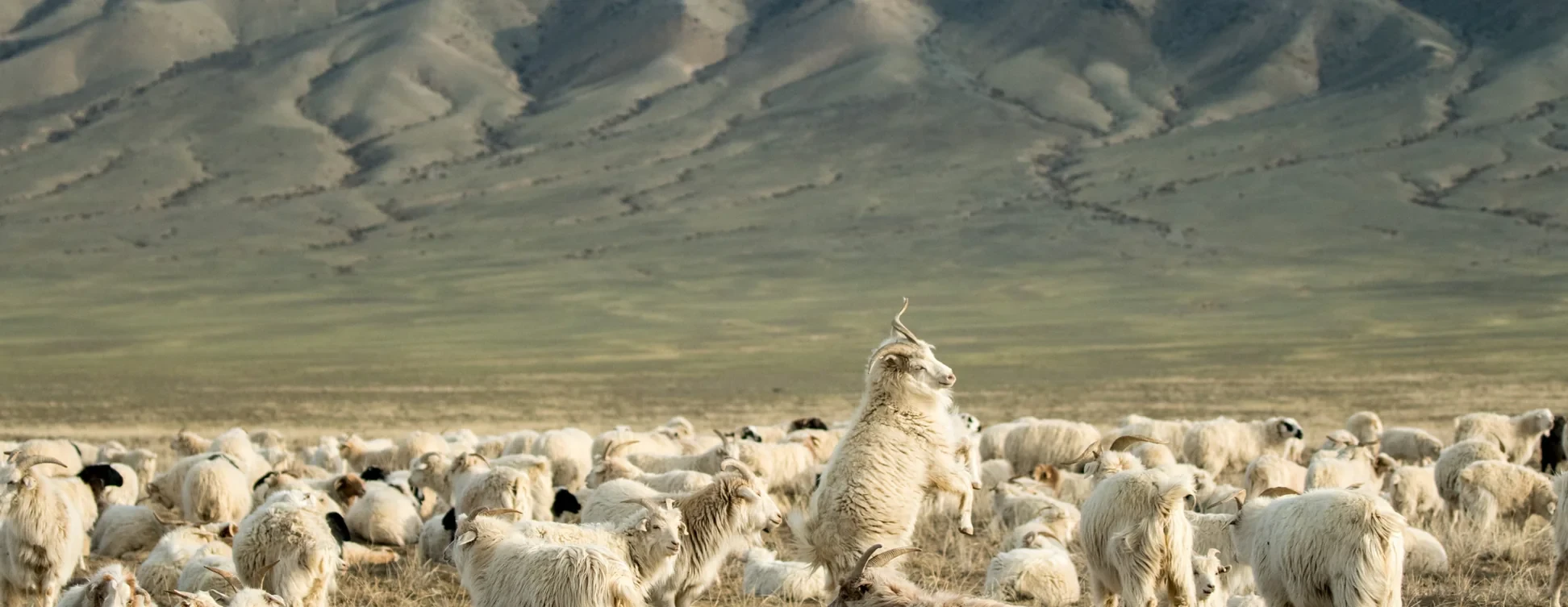
Our cashmere is sourced from select Himalayan herds, sorted meticulously for fiber diameter, length, and quality, ensuring that every batch meets the highest standards of softness, warmth, and resilience.
1. Cashmere Fiber Characteristics
Cashmere fibers are fine undercoat fibers from Himalayan goats. At Gayatri Pashmina, we focus on:
Fiber Diameter (Micron):
-
Measured via optical microscopy or laser diffraction.
-
Our premium fibers range 14–16 µm, balancing softness and durability.
-
Finer fibers feel exceptionally soft next to the skin, while maintaining strength.
Fiber Length (Staple Length):
-
Longer fibers (>35 mm) produce stronger, smoother yarns with less pilling.
-
Shorter fibers are blended carefully to maintain softness without compromising durability.
Crimp and Scale Structure:
-
Crimp frequency affects yarn cohesion and elasticity.
-
Surface scales influence pilling resistance and hand feel.
-
At Gayatri Pashmina, our artisans sort fibers meticulously to preserve these natural qualities.
Tensile Properties:
-
Breaking strength: ~150–200 cN/tex
-
Elongation at break: 25–35%
-
Modulus: 4–6 cN/tex
These metrics ensure that our cashmere products are strong, resilient, and long-lasting, even in lightweight fabrics.
2. Yarn Counts and Spinning
Yarn count determines the thickness, drape, and performance of cashmere products. We use the metric count (NM) system, for example:
-
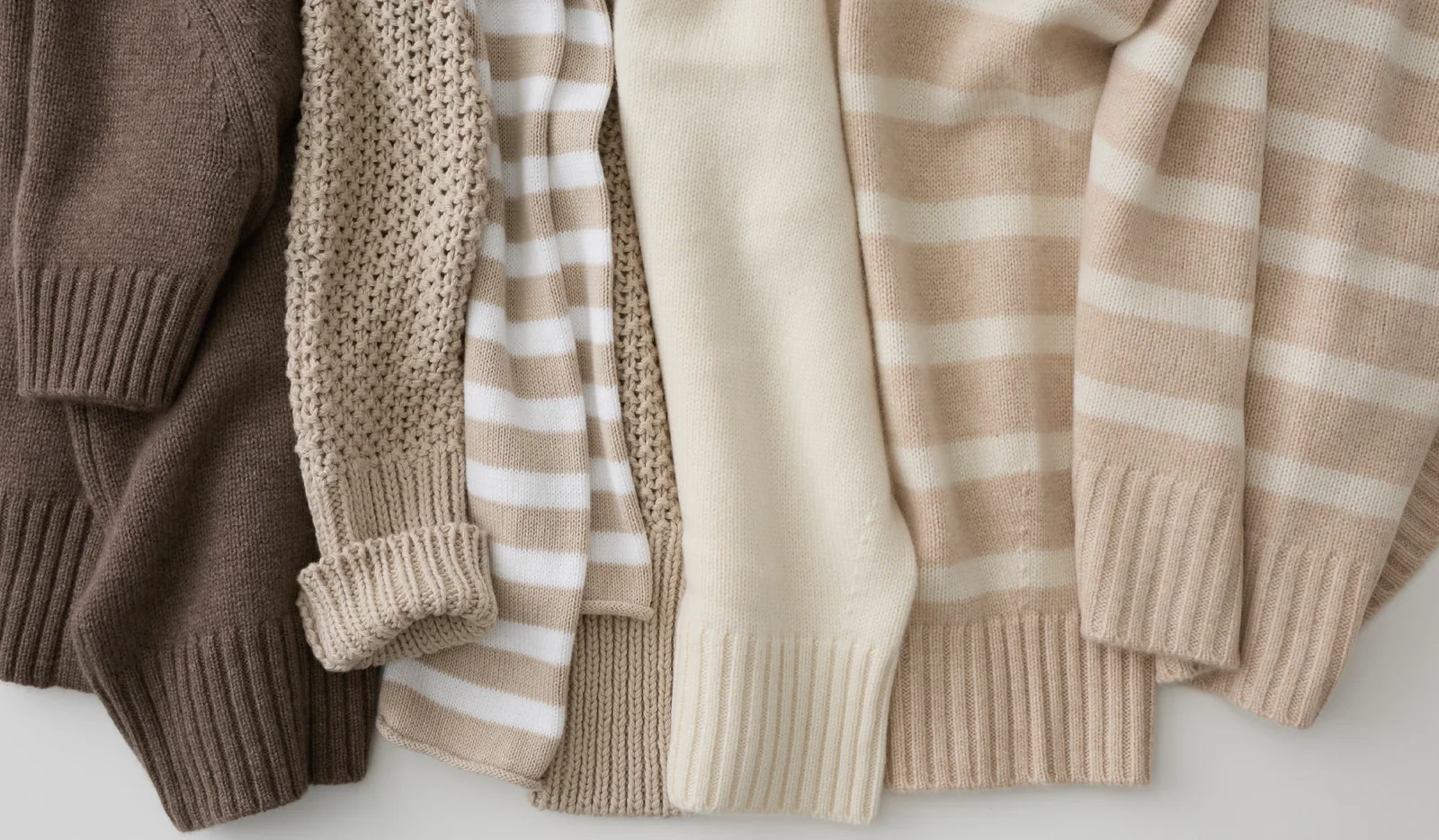
2/26 NM: thicker yarn, ideal for sweaters, cardigans, and blankets.
-
2/52 NM: finer yarn, perfect for scarves, stoles, and lightweight garments.
Spinning Parameters:
-
Twist per meter (TPM): 400–500 for soft hand, 600–700 for higher strength
-
Yarn hairiness (U%): monitored to minimize pilling
-
Evenness (CV%): ≤15% for consistent appearance
Spinning Methods:
-
Worsted: aligned fibers, smooth, strong, low hairiness
-
Woollen: shorter fibers, loftier, warmer, higher thermal insulation
At Gayatri Pashmina, we tailor spinning techniques to preserve the natural qualities of our cashmere, ensuring that every yarn meets luxury and functional expectations.
3. Custom Blends for Brands
We also create blended yarns to optimize performance:
-
Example: 70% cashmere, 20% silk, 10% merino wool
-
Controlled blending improves elasticity, drape, warmth, and color absorption
-
All blends are tested for fiber compatibility, tensile strength, and pilling resistance
This allows brands to offer unique, high-performance products while maintaining the integrity of Gayatri Pashmina cashmere.
4. Quality Testing and Control
Every batch of Gayatri Pashmina cashmere undergoes rigorous in-house and laboratory testing:
-
Fiber diameter & length: optical and laser measurements
-
Tensile strength: single-fiber and yarn tests
-
Pilling resistance: Martindale ≥4–5 rating
-
Colorfastness: ISO-standard tests for washing, rubbing, and light exposure
-
Shrinkage and dimensional stability: controlled finishing treatments
This ensures consistency, reliability, and durability, which is critical for private label clients and premium brands.
5. The Gayatri Pashmina Advantage
Our cashmere is not only technically superior but also ethically produced and carefully crafted:
-
Ethical sourcing: support for Himalayan herders and local communities
-
Employee care: skilled artisans work in safe, fair, and supportive environments
-
Artisan oversight: every yarn, weave, and stitch is monitored for quality and consistency
-
Sustainable practices: minimal waste, responsible dyes, and natural fibers only
This combination of technical precision and human care ensures that our cashmere products are luxurious, durable, and emotionally valuable.
Conclusion
Cashmere quality is defined not just by softness, but by fiber properties, yarn count, spinning methods, and rigorous quality control. By understanding these technical parameters, brands and designers can make informed choices for their collections.
At Gayatri Pashmina, our cashmere embodies luxury, ethics, and heritage—every thread represents precision, artisan skill, and care for people and the environment. Partnering with us ensures products that are high-performing, beautiful, and responsibly made, reflecting the true value of premium cashmere.
Related Articles